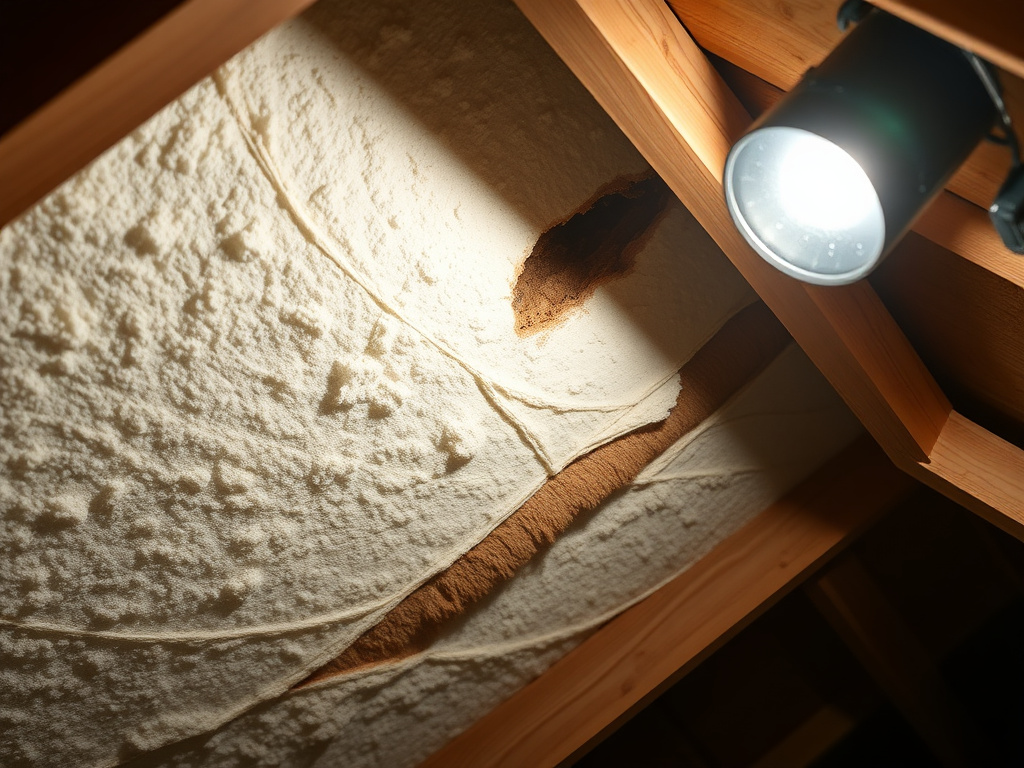
Material vs. Workmanship Warranty: What's the Difference?
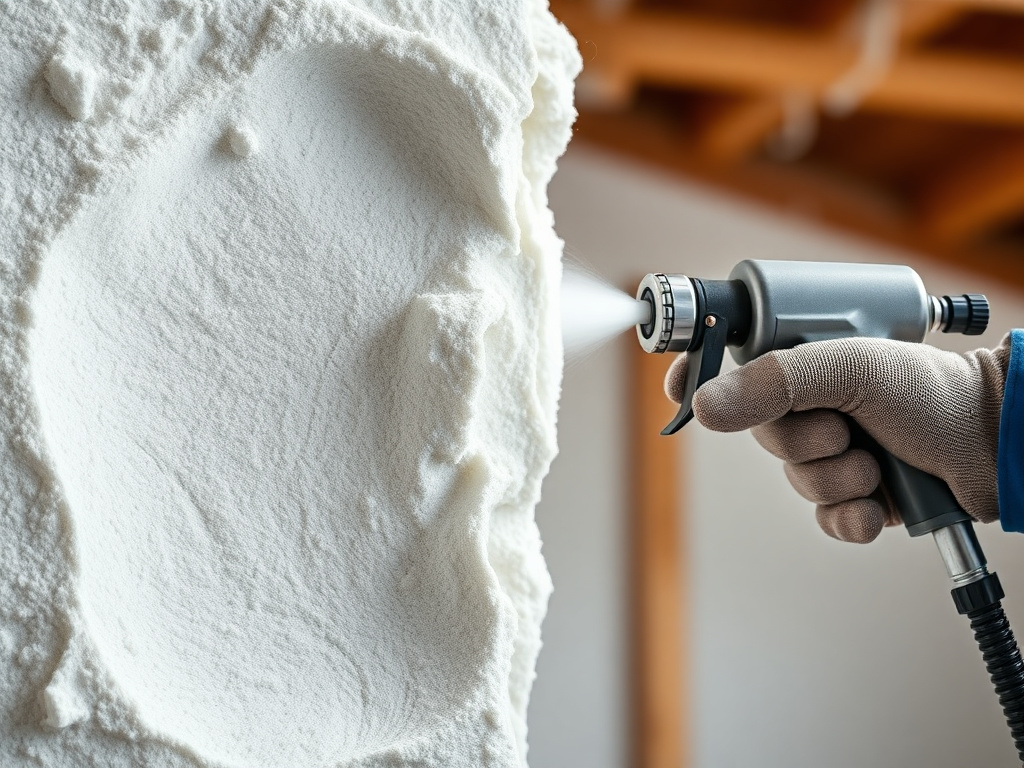
"My warranty" is a phrase that hides a lot of detail. For spray foam insulation, most projects actually carry two separate warranties, issued by two different parties, covering two different kinds of problems. Knowing which one applies to your issue saves a lot of time when something needs attention.
Material warranty: the manufacturer's promise
The company that manufactures the spray foam product stands behind the material itself. A material warranty typically covers defects in the foam's formulation, problems traced to how the product was manufactured or stored before application, and premature breakdown of properly cured, properly installed foam under normal conditions.
Material warranties tend to run the longest in the industry — commonly in the 10-25 year range, with some manufacturers offering longer or lifetime-limited terms on material defects specifically. The exact number is set by the manufacturer, and it can vary by product line even within the same company.
Workmanship warranty: the installer's promise
The company or crew that actually applied the foam stands behind their labor. A workmanship (or labor) warranty covers problems that trace back to how the job was done — inconsistent thickness, missed spots, an incorrect mix ratio, or other application errors that are on the installer, not the product.
Workmanship warranties are typically shorter than material warranties — commonly 1-5 years. That's standard, not a red flag: labor warranties are inherently different in scope and risk than a manufacturer's long-term material promise.
Why the distinction actually matters
If foam is visibly gapped, thin, or unevenly applied, that's usually a workmanship issue — start with your installer. If the cured foam itself is breaking down, off-gassing well past normal cure time, or showing signs consistent with a product defect rather than an application error, that may fall under the material warranty and could involve the manufacturer directly.
Some installers combine both into a single document with one term stated up front — which is fine, but worth confirming so you know exactly what you're working with rather than assuming a longer material term automatically applies to labor issues too.
What this means if your installer has closed
This is one of the more practical reasons to understand the split. If your original installer is no longer in business, a workmanship warranty tied specifically to that company may be harder to act on. A material warranty, however, may still be honorable directly through the manufacturer depending on your specific terms — another good reason to keep your product details on record.
Frequently asked questions
Typically the material warranty, since it covers the manufacturer's product rather than the installer's labor. Workmanship warranties are commonly shorter — often 1-5 years — while material warranties commonly run 10-25 years or more depending on the manufacturer.
It depends on your installer and the product used. Reputable installers typically pass along the manufacturer's material warranty and add their own workmanship warranty on top, but always confirm what you actually received in writing.
Not sure what your own warranty says?
Register your installation or request a lookup and we'll help you confirm the terms that actually apply to your home.