5 Things That Can Void Your Spray Foam Warranty
Most spray foam warranty exclusions exist for a straightforward reason: they draw a line between a defect the manufacturer or installer is responsible for, and damage or wear that came from somewhere else entirely. Here are five of the most common ways a warranty can be voided or a specific claim denied — and how to avoid running into them by accident.
1. Installation by an unlicensed or unauthorized applicator
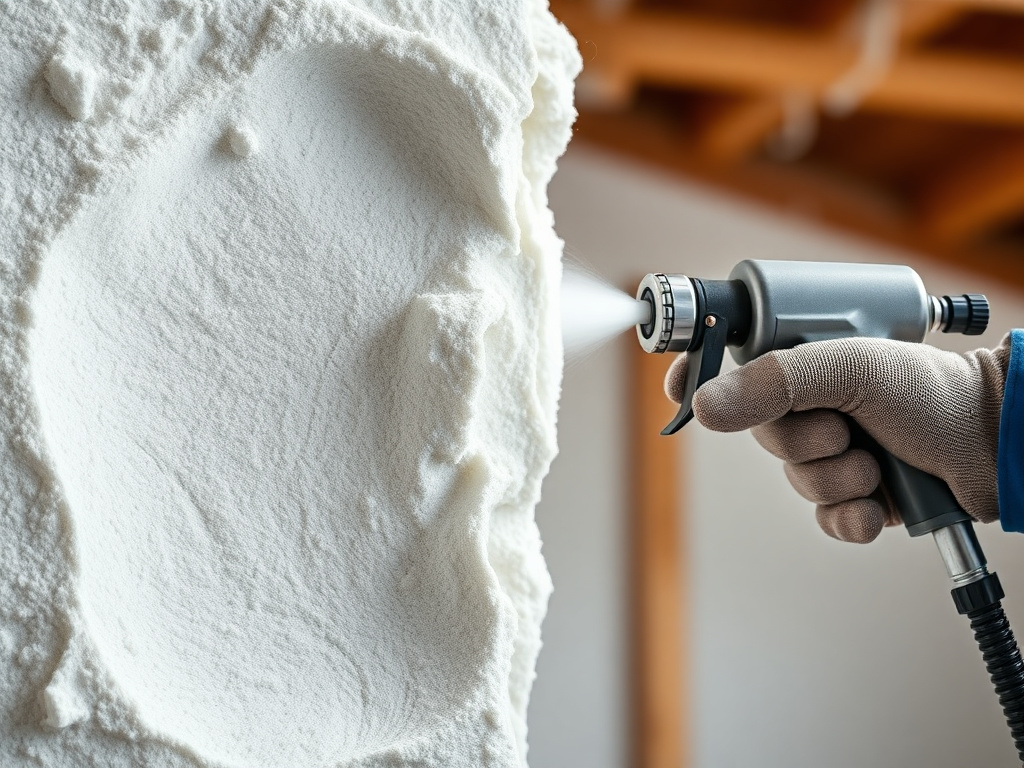
Spray foam application requires specific equipment, proper mixing ratios, and correct site conditions (temperature, humidity, substrate prep). Warranties are typically written to apply only when installation was performed by a licensed, manufacturer-authorized applicator following the product's application guidelines — DIY kits and unlicensed installers generally fall outside that coverage.
2. Unauthorized repairs, modifications, or renovations
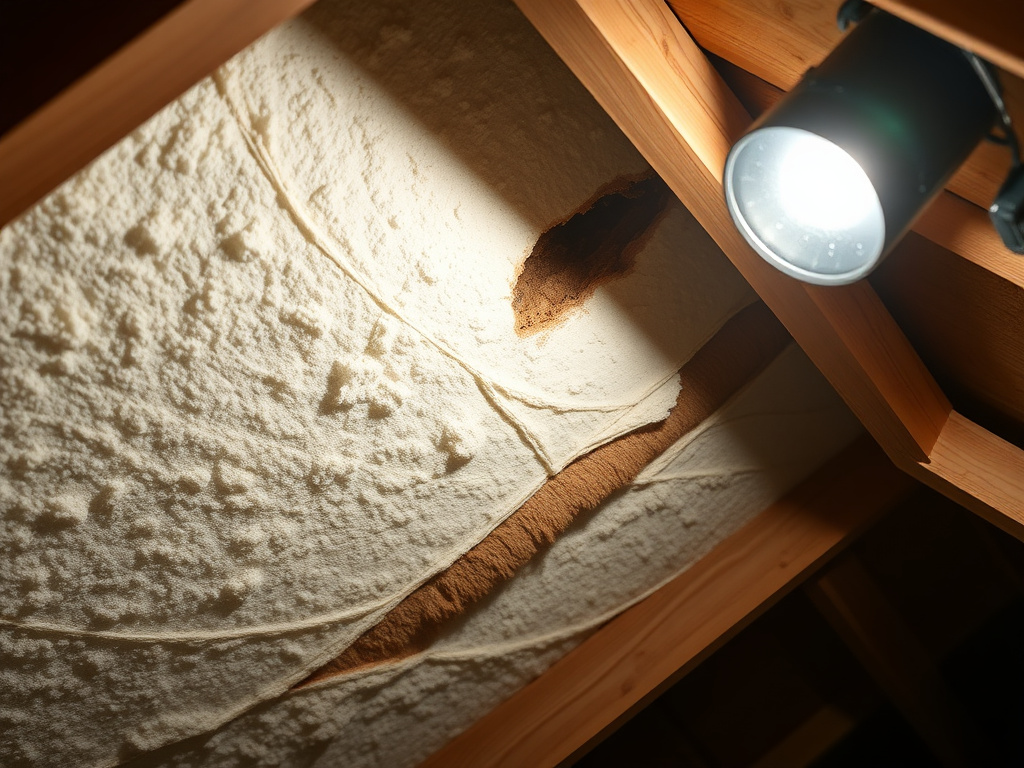
Cutting into, removing, or altering existing spray foam during a later renovation — without notifying the original installer or getting it done by an authorized party — is one of the more common ways homeowners unintentionally affect their warranty. If you're planning electrical work, plumbing changes, or a remodel near existing foam, check your warranty terms or call your installer first.
3. Damage from unrelated water intrusion
A roof leak, plumbing failure, or other water source unrelated to the foam itself is generally treated as a separate problem from a material or workmanship defect. Warranties commonly exclude secondary damage — like mold growth — that traces back to unrelated water intrusion rather than a defect in the insulation.
4. Structural movement or settling
Homes shift over time, and framing can move in ways that affect the foam around it. Most warranties draw a line between a manufacturing or application defect and damage caused by normal structural movement, settling, or other building-envelope changes unrelated to the foam itself.
5. Acts of God, fire, and pest damage
Damage from fire, severe weather, flooding, or pest infestation is standard across the industry as an exclusion — these are events outside the manufacturer's or installer's control, not defects in the product or the work.
The best defense: know your terms in advance
Every warranty document sets its own specific exclusion list — this article covers common patterns, not a guarantee of what applies to your project. If you're not sure what your warranty says, register your installation with us or reach out and we'll help you track down the actual terms for your home.
Frequently asked questions
Not necessarily. A voided warranty means the specific issue likely isn't covered under those terms, but you can still contact your installer directly to discuss repair options outside of warranty coverage.
Selling doesn't automatically void a warranty, but transferability terms vary — some warranties transfer in full, some with a reduced term, and some require notification within a set window. Check your specific document.
Not sure what your own warranty says?
Register your installation or request a lookup and we'll help you confirm the terms that actually apply to your home.